
On 18th April, we participated alongside dozens of community events across the country to express concern about the future of green spaces in our areas. This was organised by the Community Planning Alliance in response to the Labour Government’s war on open spaces to build their misguided mass housing strategy. We are of course, fully aware of this given the toxic Sandwell Local Plan and its ambitions to reward land bankers using the public purse.
 Urban green field wildlife sites like the one off Temple Way offer a unique habitat that cannot be mitigated through the destructive plans which Sandwell Council support as a “strategic site”. They are aware that a rare butterfly and plants are located at the site, and alongside The Birmingham and Black Country Wildlife Trust, strong representations have been made at the local plan examination challenging this council’s narrative, and downgraded lies about the ecological value of the site and its regional importance as an open connected space to Sheepwash Local Nature Reserve for local residents.
“Our green spaces are under unprecedented pressure. This day of action shows that communities everywhere are ready to stand up for the places that matter to them.”
Rosie Pearson — Chairman, Community Planning Alliance
Andy Dangerfield, local resident and Green party candidate for Oldbury ward said
“We need to organise ourselves to protect local sites of biodiversity. The developers live outside Sandwell; their only objective is to make as much money as possible.”
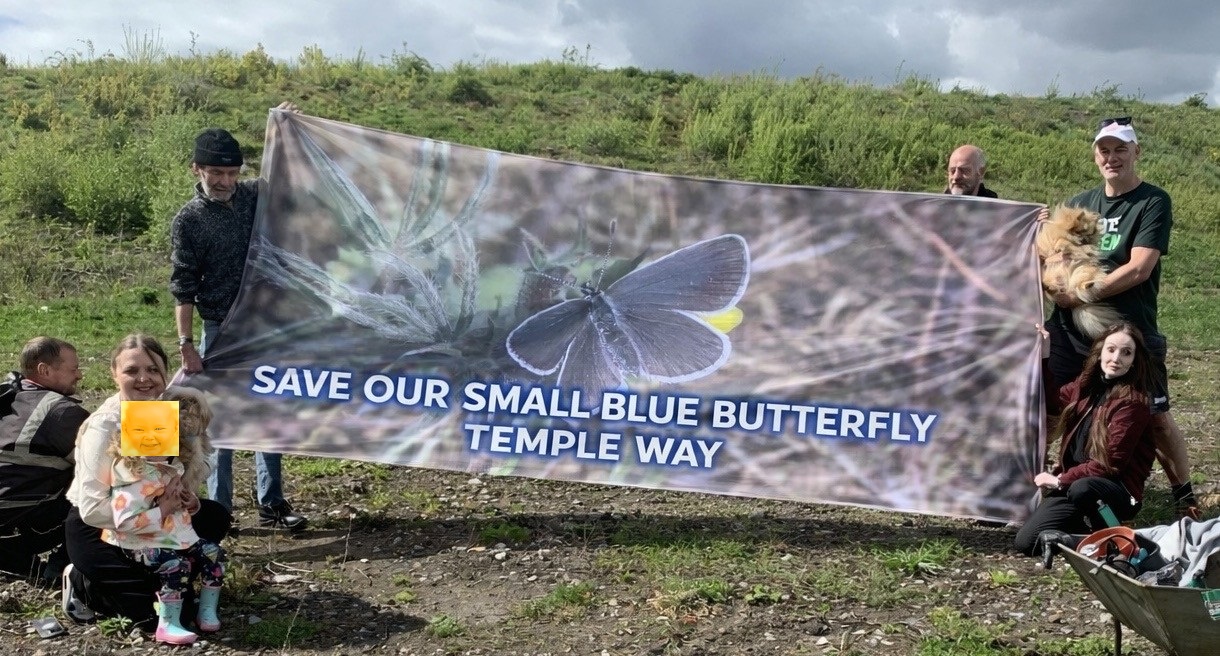
Raising awareness about the importance of this wildlife haven
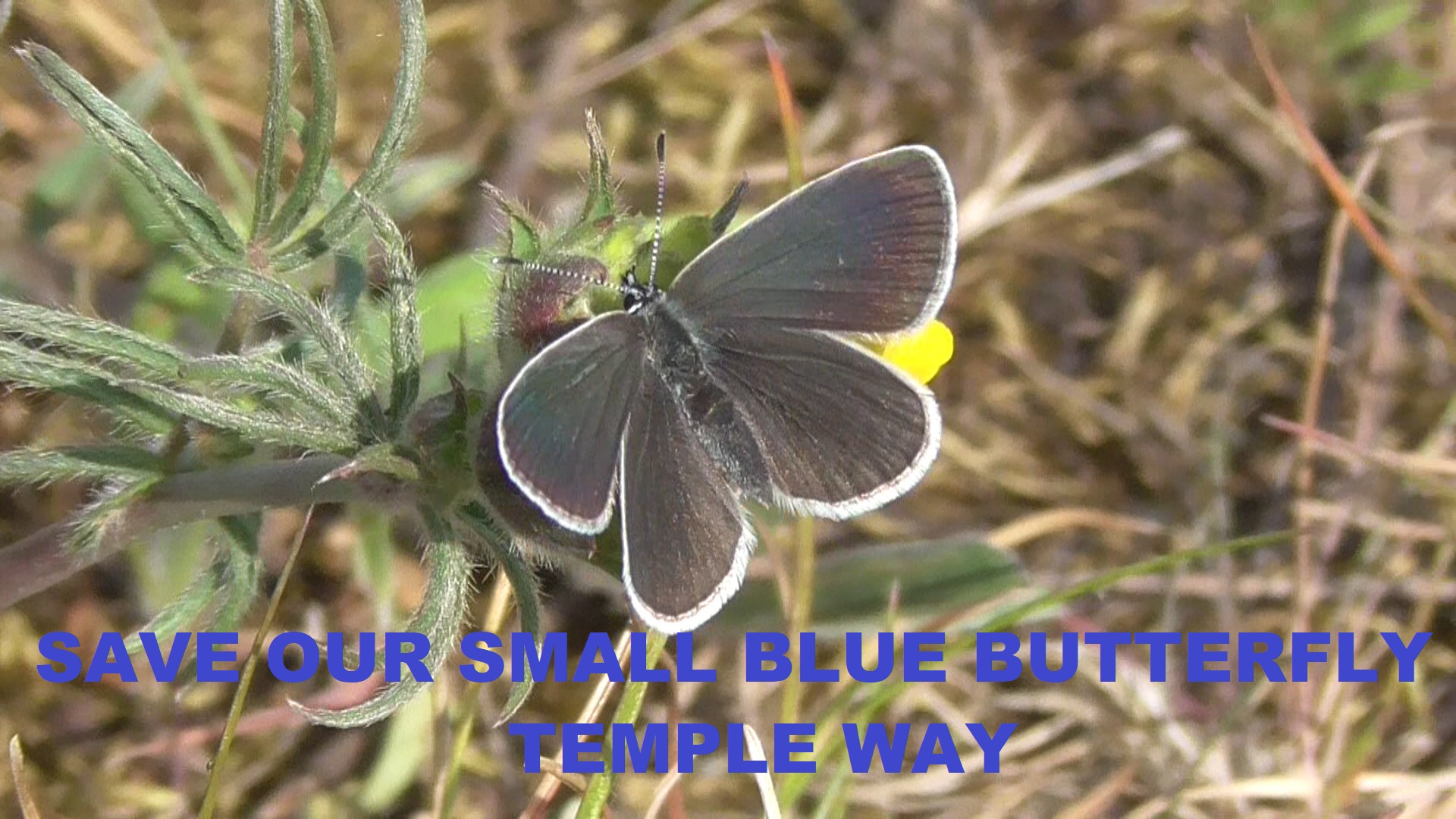
THE SMALL BLUE BUTTERFLY (cupido minimus) and TEMPLE WAY OPEN SPACE
Classified as a High Priority Species under the UK Post-2010 Biodiversity Framework due to its declining population and habitat fragmentation. It is also afforded protection under the Wildlife and Countryside Act 1981.
The Small Blue is one of the UK’s rarest butterflies, experiencing severe population decline due to habitat loss.
- One of only two known colonies in the West Midlands
- The site hosts a significant and regionally important population.
- Population counts ranging between 30 and 50 individuals across the site by 2024.
- The species depends on warm, sheltered grasslands with Kidney Vetch, its sole larval food plant, present in sufficient quantities.
- Despite recent destruction, key areas of Kidney Vetch persist, providing an opportunity for recolonization.
- Small but well-managed sites can qualify for SSSI designation if they provide essential breeding grounds.
- There are no nearby Small Blue colonies, making this population critically important for regional conservation
- The site also supports a significant diversity of other British butterfly species, with 27 out of the 59 recorded UK species present in 2024.
- Green Corridor linking the Rattlechain site to the Sheepwash Nature Reserve, the other side of the railway line and Birmingham canal.
Paul Dunn Butterfly and Moth expert. Photo ©Ian Carroll small blue on kidney vetch East of Rose Lane 2025.
THREE PLANTS ON THIS SITE ARE NOW CLASSIFIED ON THE UK RED LIST AS NEAR THREATENED.
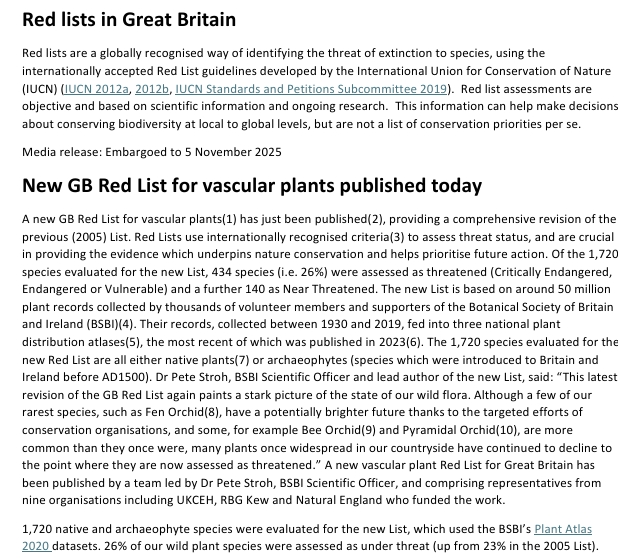
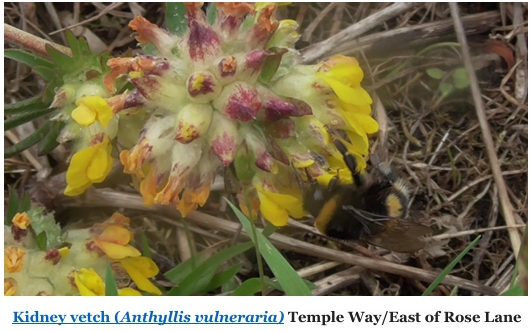
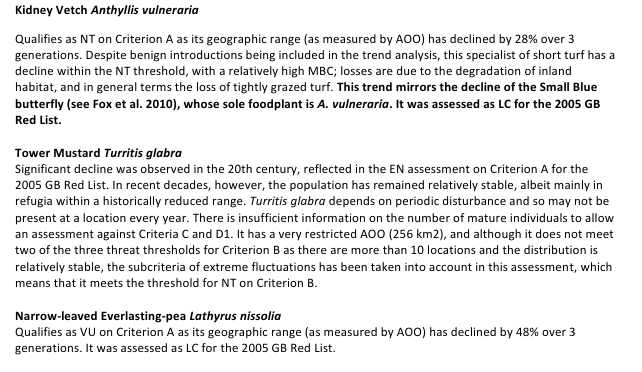
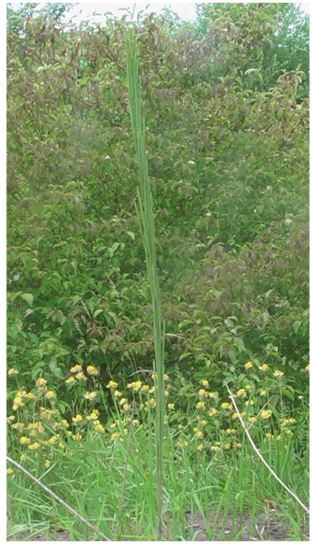
Tower mustard, (Turritis glabra) Temple Way East of Rose Lane
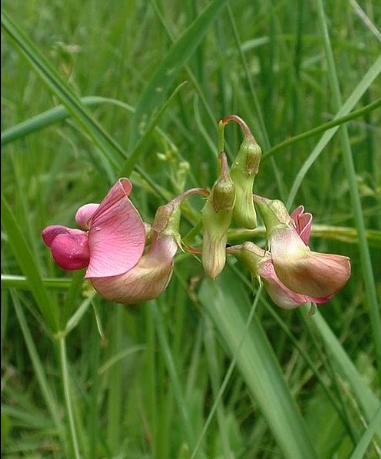
Narrow- leaved everlasting pea. (Lathyrus nissolia) Temple Way/East of Rose Lane
Extensive surveys and detail about flora and fauna on this site which predate 2020 have been forensically conducted by relevant experts in the field, so we can prove what has been there and for how long. 😛