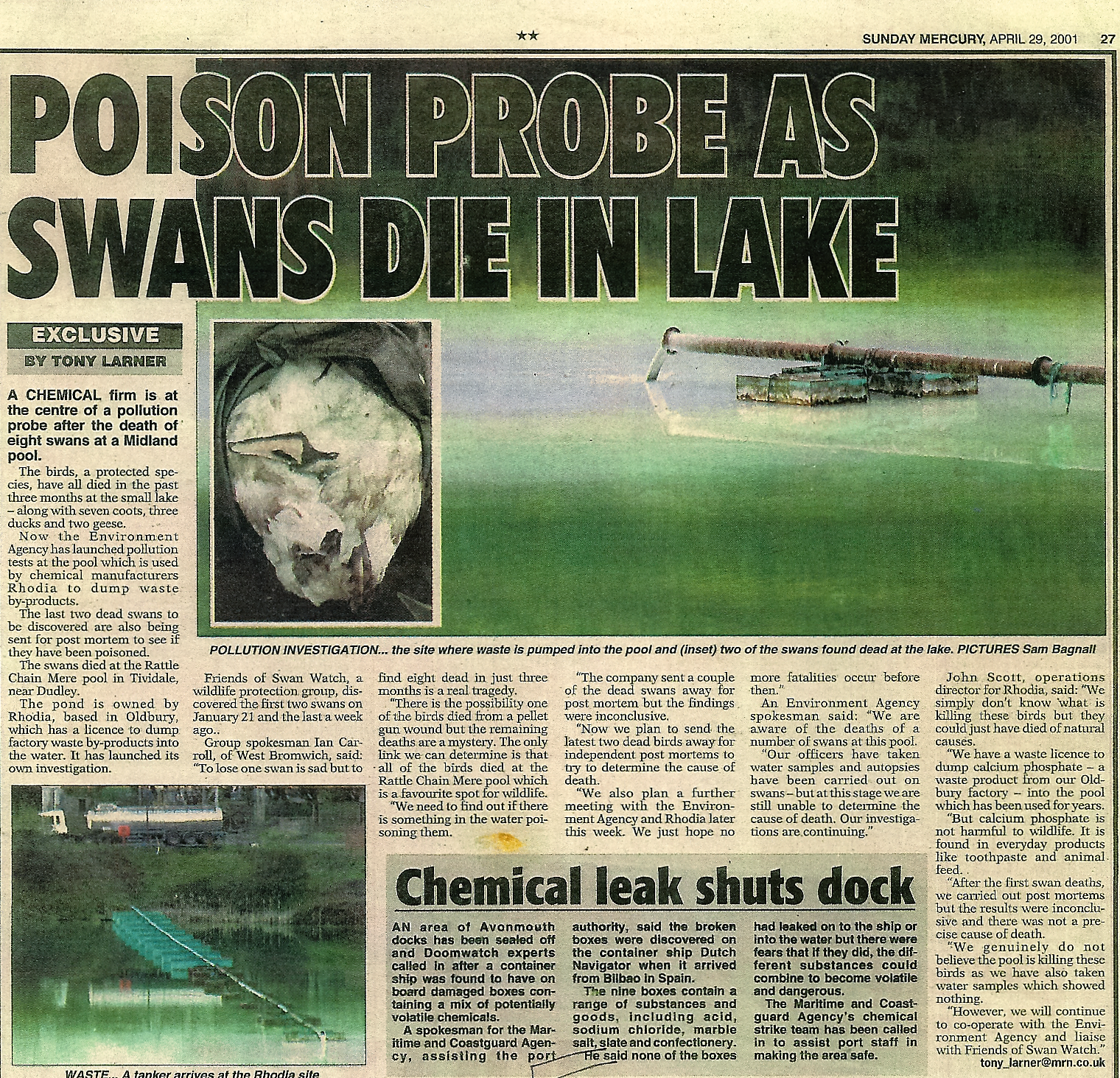
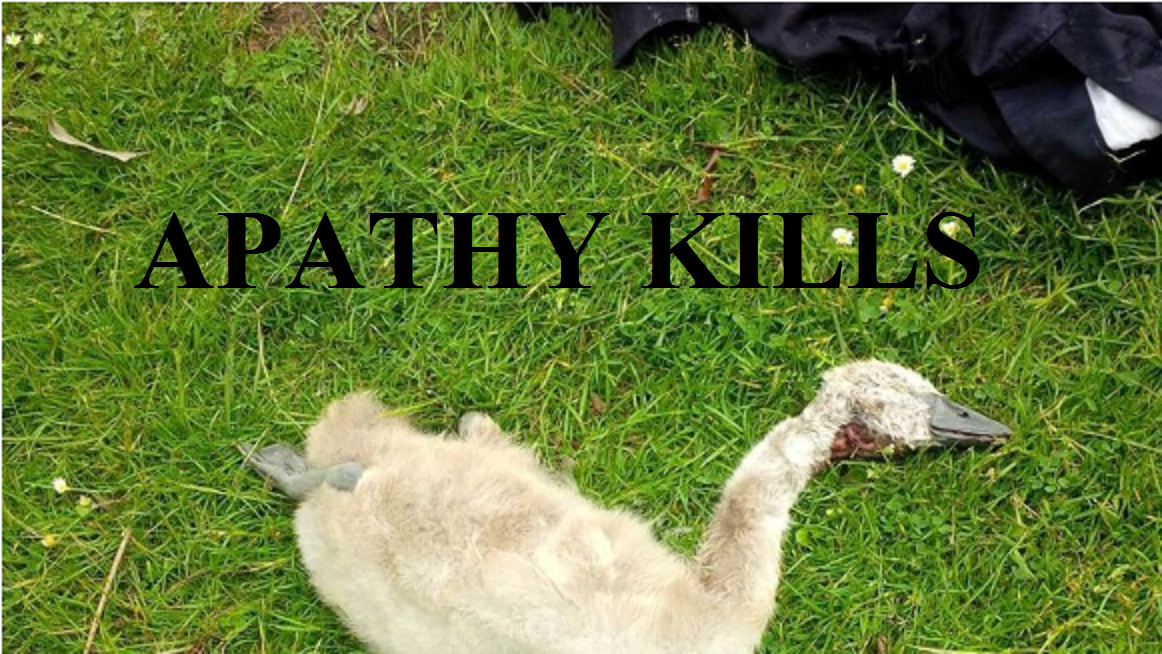
Articles published in local newspapers highlighted both the problem of the “unexplained” bird deaths at the time , but also the apparent lack of knowledge by Rhodia to explain the cause of this situation. We now know of course their mysticism to be total disingenuous lies on their part.
Before we were aware of white phosphorus and its toxic effects but suspected there to be poison in the lake, The Sunday Mercury broke what would become the most damning piece on the secret lagoon when a photographer met us on site during a routine tanker dumping. It showed waste being discharged from the pump into the centre of the lake. “Poison probe as swans die in lake.”
It was of course “poison” that was killing the wildfowl, in this instance a banned rat posion deemed “cruel in it’s effect” back in the 1960’s, though regulatory fools appear to have not been able to have made this link after this time, allowing a chemical company to dispose of the waste containing white phosphorus into an open air pool.
We have looked at the PR techniques of the company and lies of then operations manager John Scott HERE
Another important article appeared in the Wolverhampton Express and Star. “Worries over toxin in pool.” Although white phosphorus is a toxicant and not a “toxin” , this article was the first to make a link between the chemical that was poisoning the birds and what was present and accessible to them in the sediment.
Rhodia make little comment on this article, and must have now known that the lid on their “toothpaste” nonsense was nearly about to pop. Of course we now know that the chemical HAD burst into flames on previous occasions at this site. Something else both they and the useless environment agency had failed to tell us at meetings.
At this point we were still not aware of the sites former military links, the lethal toxicity of this chemical, and its proven track record with poisoning wildfowl at other sites. Marianne Walsh of the US Army chemical core of engineers however cited this article in a report for another white phosphorus containing lagoon in the US. “Remediation of P4 Contaminated Matrices at FMC, Pocatello, Idaho.” Previously she had been involved in the identification of this chemical with other scientists in the deaths of wildfowl at Eagle River Flats– where there is a US army firing range.
This article directly quotes Marianne Walsh who underlines the problems that white phosphorus causes for wildfowl. Both the company and Barrett homes however try to distance the deaths of wildfowl to their operations. Barrett homes did not inform residents about what the lake contained and it should also be noted that the hazardous waste sign, a legal requirement of the site operator was missing during the marketing and sale of these houses on the former sewage works.
It is also worth pointing out that if these articles had never been published which stemmed from our campaign and research to get to the truth about the bird deaths, then rattlechain lagoon and its dark story would have been covered up in the same manner that Rhodia attempted to do in 2013 when they installed a geotextile barrier and sand underneath the water. This legal requirement on their part in order to fulfil basic “closure of the site” has merely just set out to “bury” the story but with all of the poisonous waste and white phosphorus still being there.
Posted inUncategorized|Comments Off on Rattlechain- beneath the news
It was reported recently that a major fire at “the world’s largest chemical complex” had claimed two lives. The German BASF factory in Ludwigshafen adds to the tally of those who have lost their lives as victims of the chemical industry.
Of course the lobbyist Cefic organisation, of which BASF senior employees are a major part, spins a different line about the safety of such plants.
Under EU legislation this incident will certainly be referred to the European Commission, like the one at Trinity Street . It comes however at a time when lobbyist organisations like Cefic are continuing to spin their ideas into EU policy. The recent EU proposals on lobbying has been seen as widely disappointing in offering a new era of transparency.
Cefic are on the EU register. If you really don’t believe that things in your everyday life are not influenced by lobbyists, then I would urge you to read just the preceding link in just how this one industry has a reputed 72 lobbyists, many of whom enjoy access to the European Parliament premises.
Cefic estimated they spent in the 12 months of 2015 a staggering
10.2 million € on lobbying. 😥
My sincere condolences to those who have become the latest victims of the chemical industry, but those in Brussels are not doing you any favours.
Posted inUncategorized|Comments Off on Fatal German Chemical industry fire
I’m sure the answer to that question is several, but in this instance I’m referring to a recently dumped pair of pink ones found with other assorted items in one of Oldbury’s top grot spots.
It appears the latest dumper has or had some connection to The University of Wolverhampton judging by incriminating evidence found amongst the untidy pile at the yellow entrance barrier.
Amongst a folder of course notes and hand outs, I found a notepad with the name “Amie” written on it.
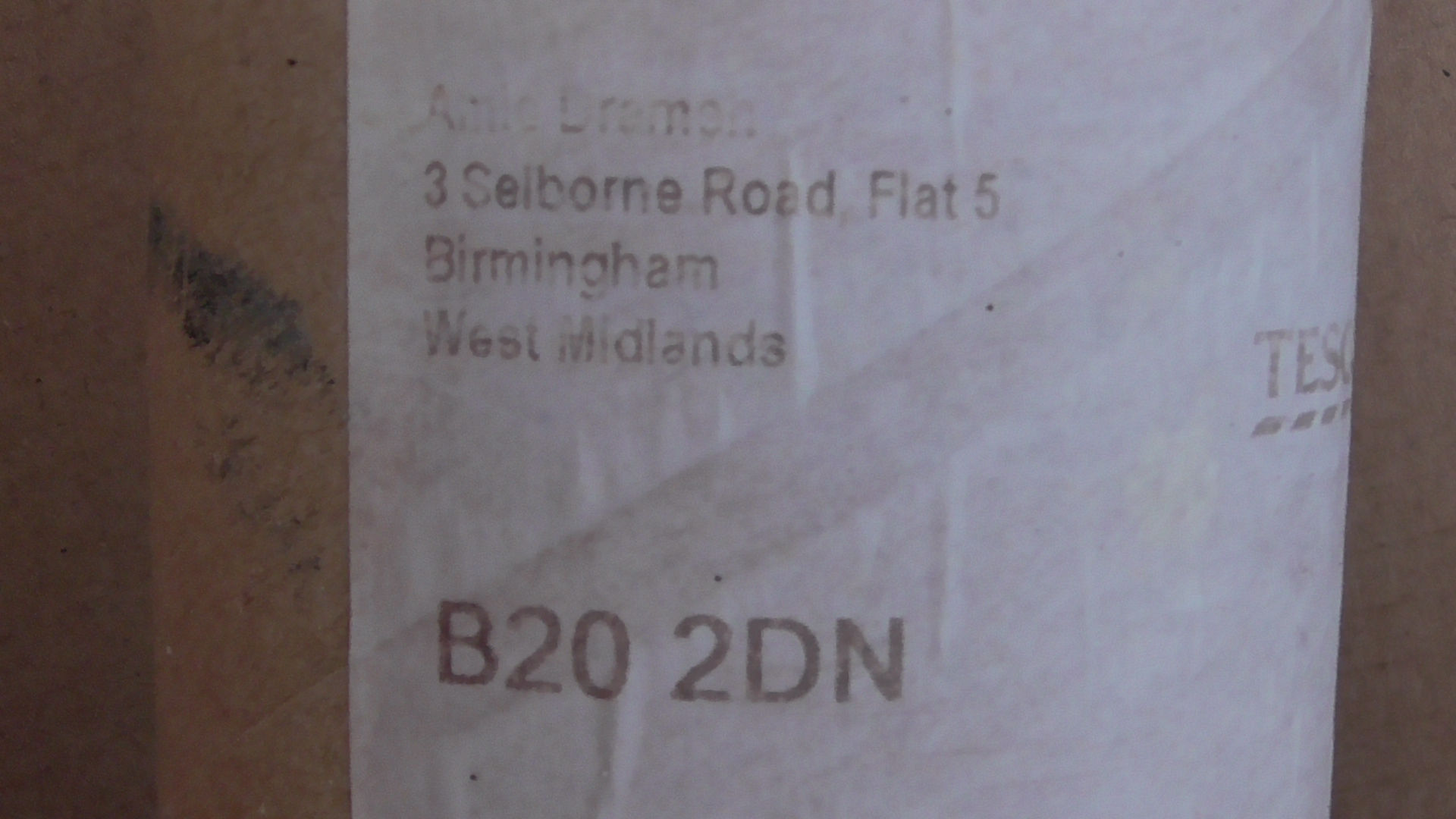
Oh and look, an empty postal packet with a full name and address, I wonder who and from what address this little collection arose?
A Miss Amie Dremen of 3 Selborne Road Flat 5 Birmingham B20 2DN. So not even any connection to Sandwell on this occasion?
Amongst a bag of clothes from which I had a good rummage, out came the knickers, and even though they had no name written on them, I would if I were a betting man make an educated guess that they belonged to a uni student living in The Birmingham area.
I’m also fairly confident that the dumper is a little “green fingered” and a fan of “hydroponics”.
I suppose to link the two places together, you could say Out of darkness cometh….. flytipped shite.
Posted inUncategorized|Comments Off on Who dropped their drawers down John’s Lane?
I’ve noted previously that industries like those that operate from the serial chemical polluters from Oldbury rely on political affiliation. They also enjoy support from people who claim to have “never worked for the company” but appear proud to promote the multi national corporate brand logo on a T shirt, despite their strong socialist tendencies. 😆
Bottoms up Comrade!
But the reach of Albright and Wilson / Rhodia/Solvay stretches beyond the hazy, phosphine polluted sky, creamy fallout waters and the dog shit lined streets of B69, because there are those in local Government who are in long term service to the stars for the Crapsters of Trinity Street.
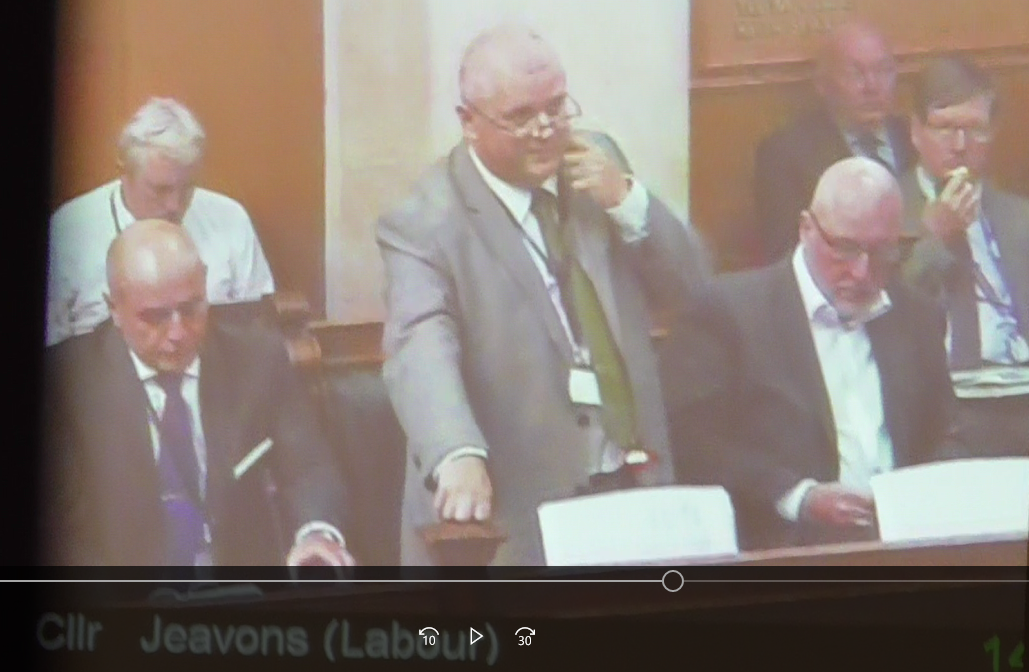
Take for example Mr Lee Jeavons, now Deputy Leader and Cabinet member for Regeneration in Walsall MBC and who represents the Birchills/Leamore ward.
He is as his declaration states, a “Pilot plant technician” at Trinity Street.
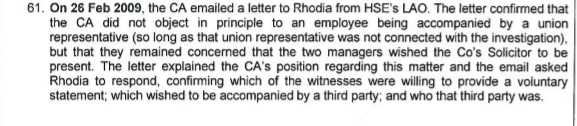
The phosphine plant at this site of course had a rather unfortunate incident involving a fire in 2009 where the company were recently fined heavily. It is interesting to read in the report by the HSE the manner in which not only the company set out to deceive about the amount of material released including white phosphorus , but also used delaying tactics to interview key witnesses involved in the incident. But I’m sure they would have been given good union representation, unlike those who were caught up outside the site. 😉
The regen king appears to have been around some time at his station, and is associated with that dirty French outfit Rhodia, the non apologist liars about white phosphorus who were quite happy to allow birds to die in the White phosphorus contaminated waters down John’s Lane until their lies were exposed by non industrial scientists. He is a current director of their pension trust, appointed in March 2015.
Recently, Councillor Jeavons with his council hat on, rejected a petition concerning the deaths of cygnets crossing the road at Stubbers Green, Aldridge in the borough, in an officer report with all the semantic flippancy that those at Trinity Street have perfected so perfectly before concerning rattlechain and the birds deaths there. In this case it wasn’t “speeding drivers” at fault, it was “inappropriate driver behaviour” (who sped off). The employees of Trinity Street must truly believe that swans and water birds are there to plague them in their nightmares, or maybe just those who care about them and not their disgusting industry. 👿
No deal
Both apathy and hypocrisy involving the very same unnatural chemical in question that the Oldbury crapsters could never contain in their lagoon of death, can be witnessed by something recent in the news . It is quite typical that this selective moral outrage is expressed at a country very far away, yet the satellite waste dump on their own doorstep plant never appears visible on their radar, despite this damning pronouncement via social media!
“THIS IS POSSIBLY ONE OF THE MOST DANGEROUS CHEMICAL ELEMENTS AND WILL MAIM MORE THAN IT KILLS.”
Ignoring the fact that Albright and Wilson made the stuff dropped on Hamburg, it is quite something to hear this revelation from a Trinity Street employee, and even more ironic that the truth should come from the keyboard of an elected politician. 😆 What a shame that senior employees like his colleagues Tom Dutton, Alex Bann, John Scott,Steve Hampson et al could never illuminate ourselves with such truth at meetings when we were led up the garden path about what could be causing the bird deaths on site.
So I wonder then Sir, if this is what less than a gram can do in your wretched laboratory under controlled conditions, can you say as a Rhodia pension fund trustee, what would happen if the tens of tonnes of white phosphorus admitted by your company to be dumped in Rattlechain Lagoon were to catch fire? That would ruin the fund wouldn’t it?
Oh but I forgot, it’s “safely stored under water” isn’t it, and “it’s the stuff that’s used in toothpaste” isn’t it, direct quotes that your liar works managers and health and safety chiefs stated when birds were being poisoned by ingesting this banned rat poison. “Aleppo” in the water is on you doorstep pal, don’t forget that, and your paymasters the chemical industry happily polluted the water there for generations by dumping it there!
I pulled dead poisoned birds from the water, that died in my hands, only to later learn the truth of your statement. I can clearly visualise what milligrams of this chemical can do!
Not long before in time, the PO BOX 80 site operators still valued the rattlechain site as “economically viable” and if dumping ceased the Oldbury site would “have to close” .
And economics are what blind the selective chemical fallout commentator. As stated in a previous blog post, it appears that the post Brexit vote has riled the “remoaner” business community, and Mr ClamadiEU of Solvay and ex Rhodia is starting to spit his garlic dummy about threatening to do a British runner. Good luck pal, and good riddance, as I sincerely hope you do.
Just a pity there were a few mugs that bought into this nonsense to keep them afloat however. 😆
How many Euro is that?LOL
And so to another comrade, this time in Dudley who sadly, will shortly be leaving behind the corridors of Trinity to spend more time in Dudley . 😥 Mr Steve Waltho, former Nightmayor of Dudley is a ” shift team leader” at Solvay and a longstanding Albright and Wilson Oldboy.
Union main man Steve (so I guess we can fill that blank in), is also a member of Greenpeace! Well I suppose they’ll accept anyone these days; they used to be a relevant environmental campaign body when prosecuting polluting companies like Albright and Wilson, but now it’s just the same climate change drivel as much supported by industrial polluters and failed politicians, to the point that they have become largely irrelevant.
At AW he even had a hand in writing articles for Albright World, that paradigm of chemical propaganda which tried to bring together the aloof dying death knells of a family company with the turgid rigour of union stoicism. Tom Tomlinson was a serial PR bullshiner for the toxic polluters.
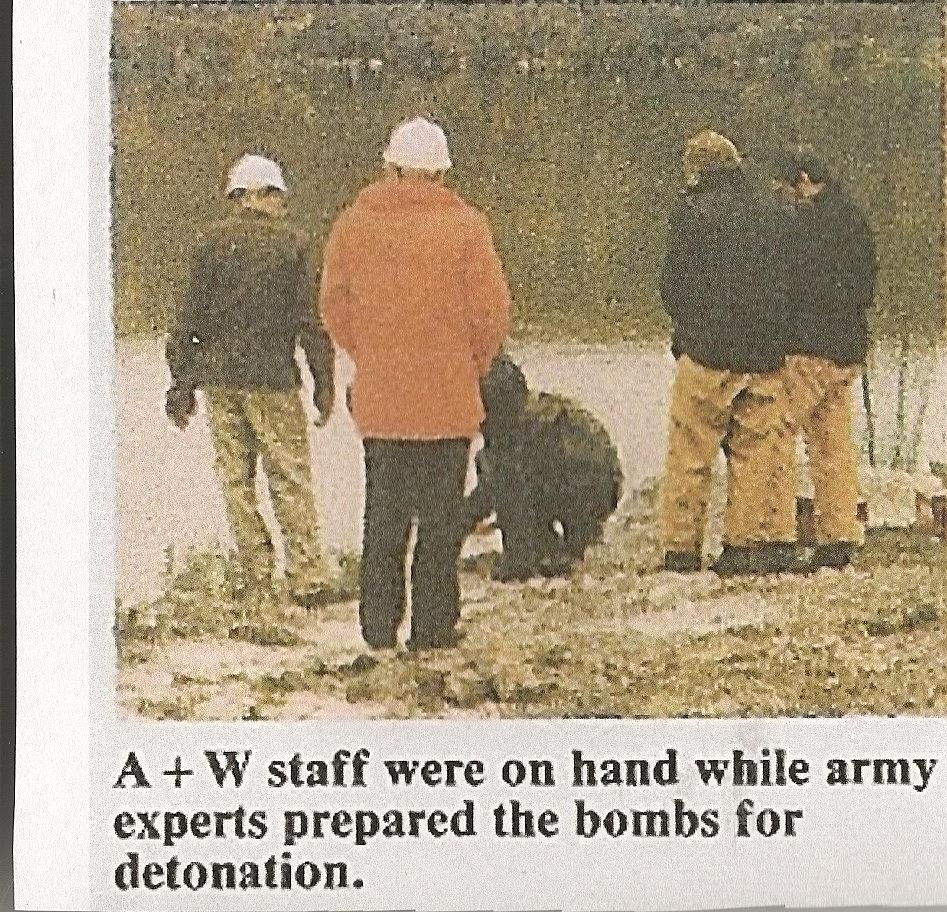
What a scoop on the discovery of AW bombs in Dudley, (when they were blown up and P4 and breakdown products expelled), an article which told of how they were moved from an area which he would later go onto represent in the council in the St Thomas ward, to Rattlechain lagoon. Very grateful to you for that Steve. 😛
AW bombs awaiting destruction at Rattlechain lagoon
Solvay gave him a whole year off work when he became mayor in 2015; perhaps the fresh air did him some good. Others however were not so fortunate and as a long time fire fighter with the company, he has no doubt seen quite a bit of action, and that’s where the downside may come in later life as he will be all too familiar with from those who are no longer here.
So this is not a blog post about any councillor wrong doing, far from it the two individuals featured have written very honest declarations and statements with which I would certainly never refute. Solvay’s pay role politicians however are in very good positions to be very useful for ClamadiEU and his aims, and whatever declarations are declared it does not change this. They are a now a part of the undemocratic and unelected West Midlands Combined Authority which can only be dangerous given the idiots who approved waste management licences such as SL31 in The West Midlands County Council before them. The one at least is also a long term service worker of 42 years, who contributed to what went into the Oldbury effluent stream. They are high profile players in the part of a bigger anonymous wheel.
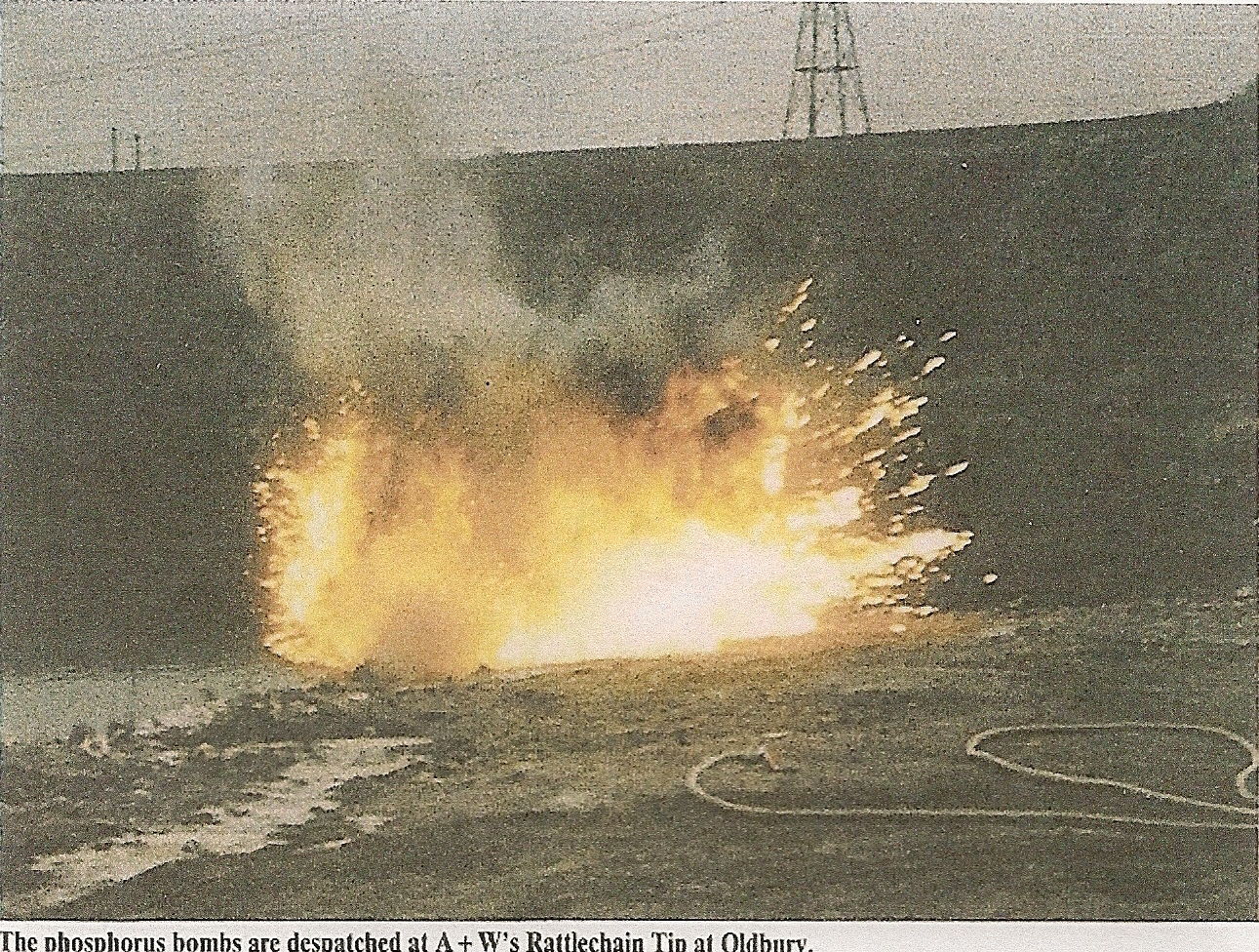
It even now is a pity that many an ex and still current Albright and Wilson/Rhodia apologist do not recognise the direct part that they and their company played in the deaths of birds. No apology or acceptance that this chemical in the sediment caused the deaths of these innocent victims just emphasises their total denial of the deceitful chemical at fault- white phosphorus. Perhaps it is a light that clouds the minds of those that handle it with dense clouds of smoke. Here are just a few images of what that “dangerous chemical” can do. Don’t take my word for it, just ask the honest politician.
But as those who try to disguise the impact of chemical manufacture in the area see their ex chemical colleagues dropping dead at relatively young ages, they will when their time comes perhaps see the error of their ways in servitude to this toxic employer, for it will be those same Trinity Street tentacles that extinguish their last gasps of air before they see the light.
Posted inUncategorized|Comments Off on The tentacles of Trinity Street stretch far and wide
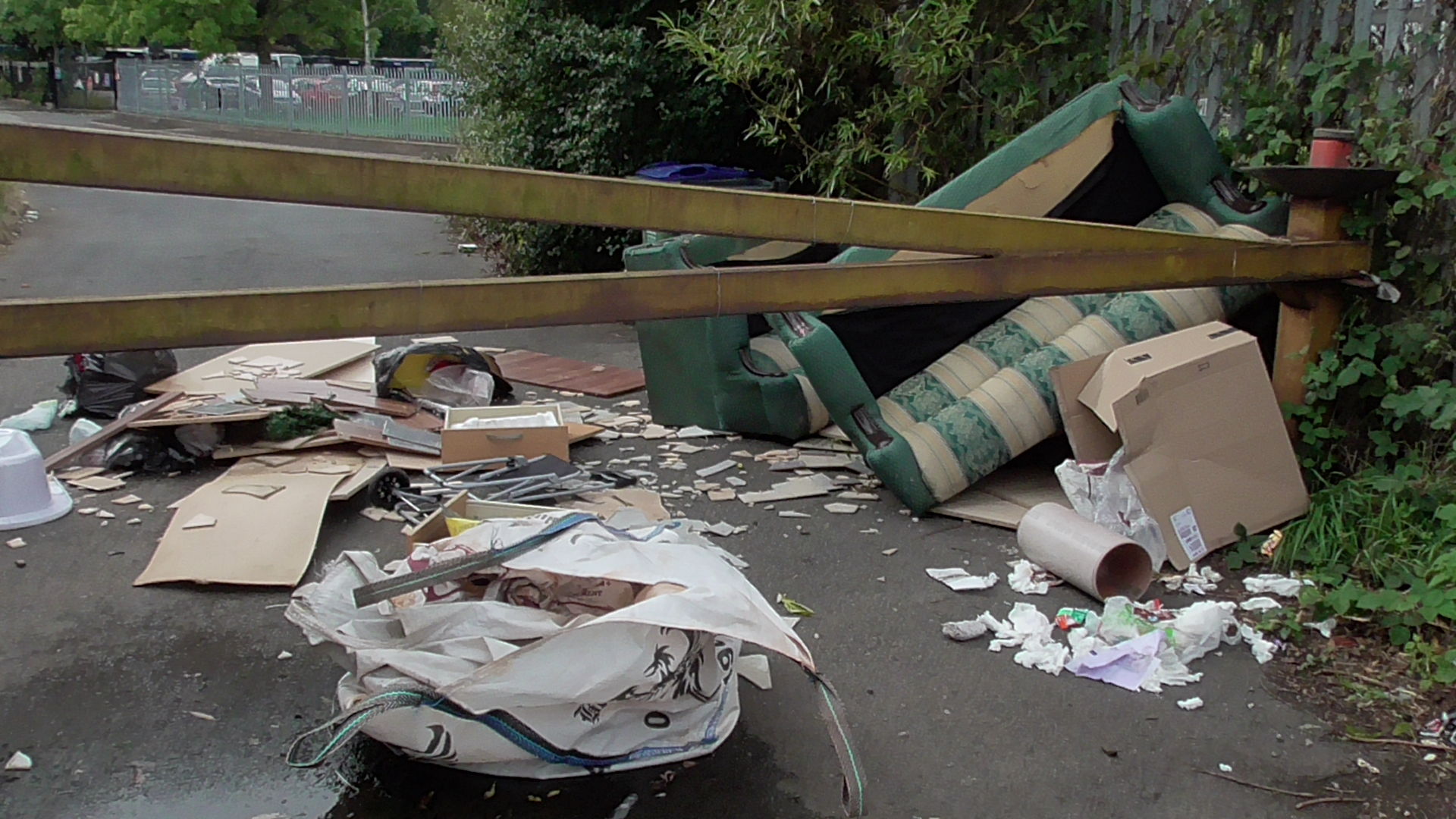
As if the previous post didn’t spell out the problem of flytipping in The Rattlechain part of the world, we have yet another example of arseholes dumping in exactly the same spot. So here we go again.
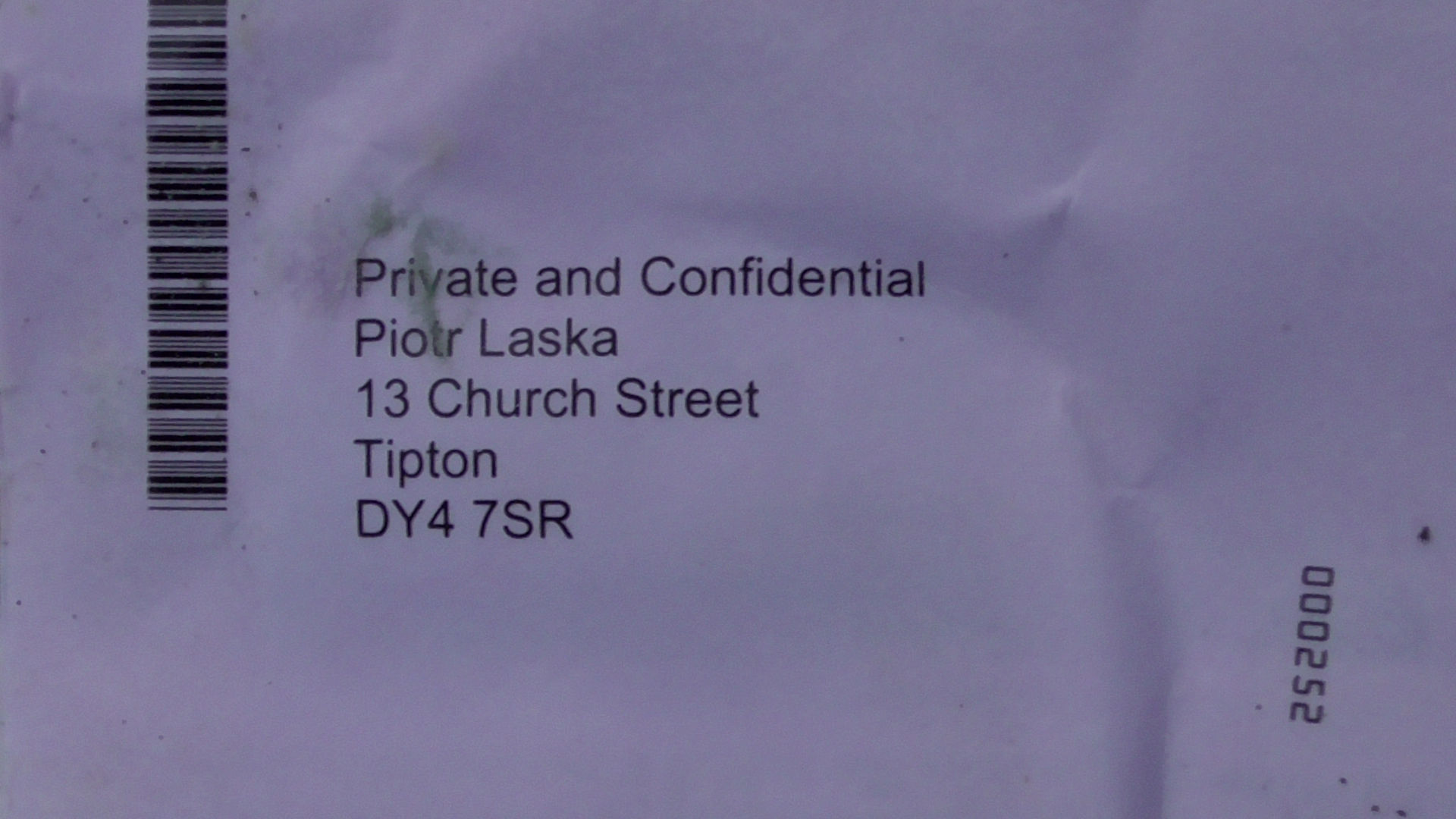
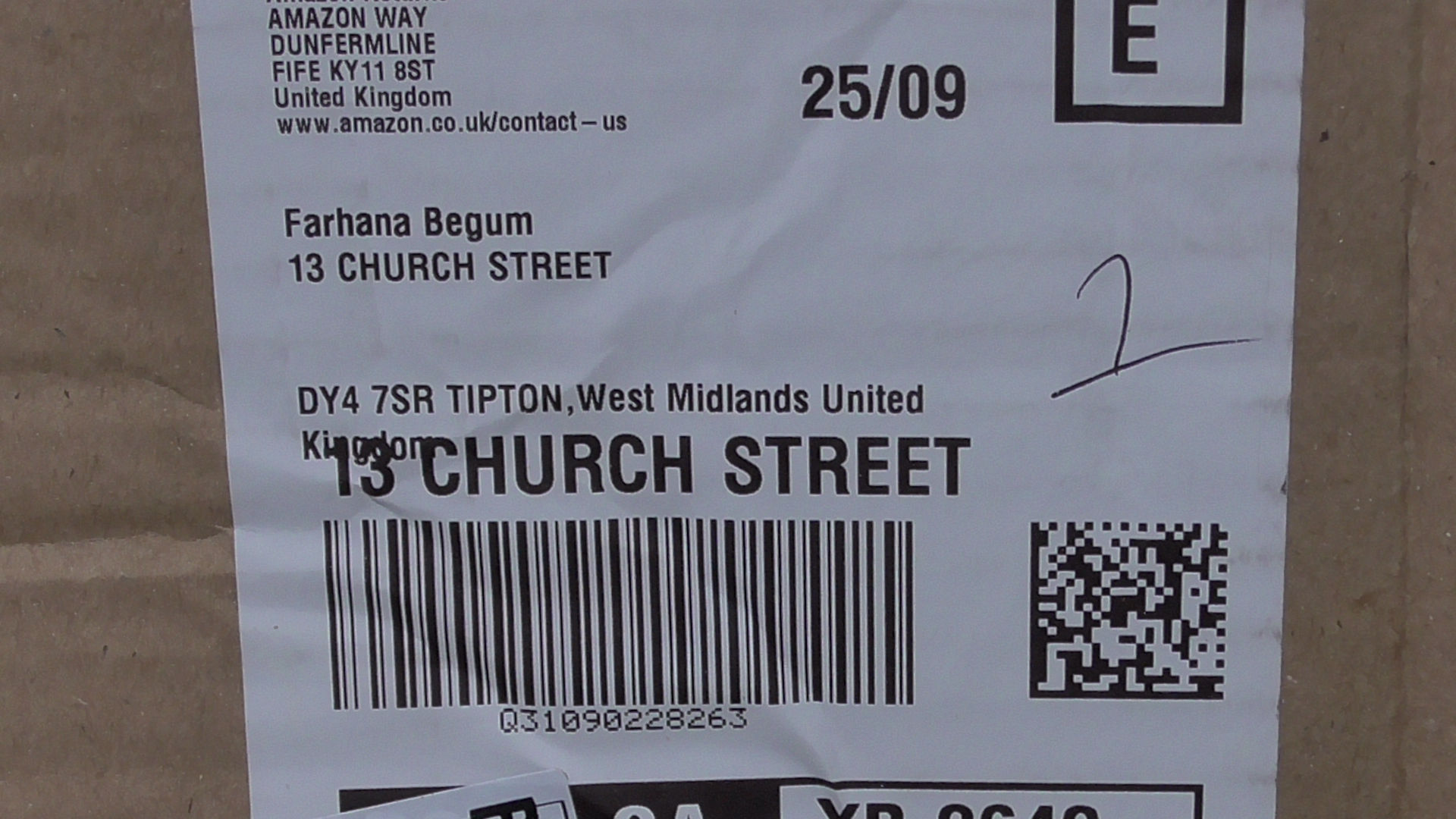
This time its origin is from
13 CHURCH STREET TIPTON DY4 7SR.
Special thanks to Mr Piotr Laska, and Ms Farhana Begum. Your details will be passed to Sandwell council in due course.
I don’t know why these people appear to love amazon but they do; it just makes one wonder if they are actually paying it out of their own cash though.
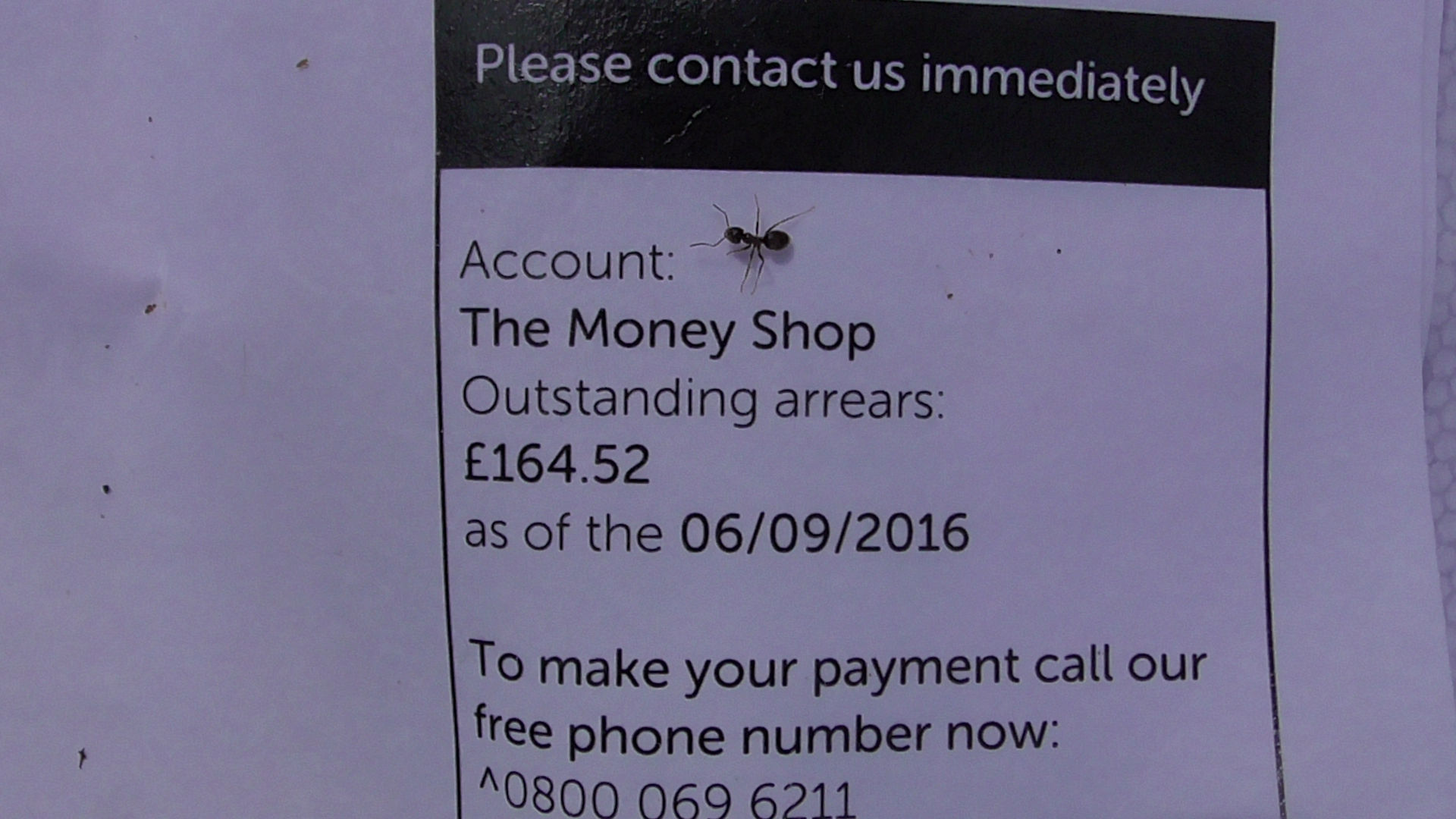
I say this because it looks like the inhabitants of the address above are in arrears. Wonder if there is any connection there in this recent dumping in John’s Lane?
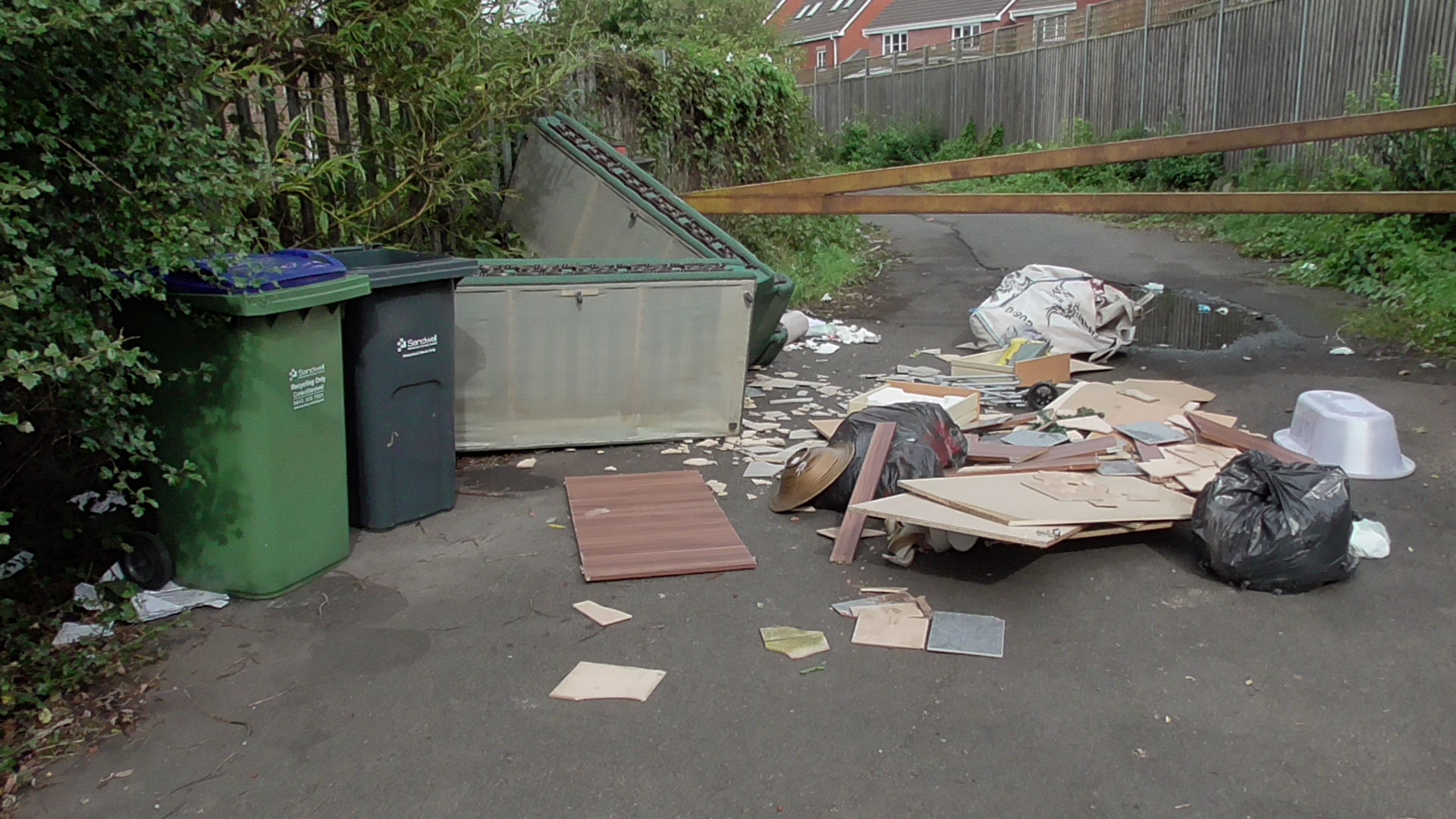
On this occasion there is furniture and used nappies and it’s a bloody disgrace that it keeps happening in the same spot. Strangely it seems the dumpers even left their (unused) council bins behind as well for good measure!
Time for cameras I think SMBC, as there are obviously some fly by nighters in this area who really couldn’t give a shit. Any more will be posted here and reported, it’s as simple as that.
Posted inUncategorized|Comments Off on Another moonlit flit
As well as the ludicrously sanctioned waste management licence issued to Albright and Wilson all those many years ago to dump toxic waste in the open environment, John’s Lane and its environs has also from time to time seen indiscriminate fly tipping by both industrial and private entities.
Sandwell council even had a letter from the serial chemical blighters bemoaning the fact that they could not deposit toxic waste into the “licenced landfill” due to the flytipping blocking it! Oh the irony.
“unauthorised deposition of building rubble, old furniture, worn tyres , and other materials by person’s unknown.”
The problem of fly tipping remains endemic across Sandwell and beyond, both by dodgy companies, so called “travellers”, and also private individuals. Unfortunately however the local authorities seldom prosecute claiming lack of evidence, but does this really wash when someone leaves items and personal effects linked to an address at another scene?
An infrequent but reoccurring fly tipping spot occurs at the entrance to the Rattlechain end of Johns Lane leading to Temple Way. All sorts finds its way here, mostly I suspect from rogue traders, but occasionally it appears that some people slip up and leave behind items which incriminate them.
One such occasion happened recently, and so I am going to name and shame because there is no excuse as to what these items were doing at John’s Lane Tividale, having arrived from an address off the Park estate in Tipton. Geographically we are talking a distance of some 1.1 miles by road.
The dumped rubbish near to the Rhodia barrier gate
Amongst an assortment of household rubbish and toys were a couple of incriminating items betraying whence the pile had come from. 40 Anderson Road Tipton. DY4 8SD
A Hermes delivery empty package for a Mr Anfor Ali.
But wait there’s more,… a hand crafted valentines day card from loving wife “the one and only Farhana Ali”.
So if the loving couple would care to explain how this pile of rubbish got to be in John’s Lane, then I’m all ears, because right now I’m scratching my head for an explanation other than they or person’s operating from that address dumped it there.
Of course house clearances by dodgy companies do not indemnify the occupants from committing an offence even if it were not they who actually dumped the rubbish there themselves. I would suggest that Mr Ai gets himself a better “Curryer” in future. 😆
By way of help , I’m giving some sat nav directions to the council’s Shidas Lane Tip, some 1.5 miles from where this rubbish was illegally dumped , and therefore a distance of 2.6 miles from Anderson Road Tipton. It apparently takes a time of 8 minutes 33 seconds.
Rest assured, if Rhodia are more interested in their own problems these days, and Sandwell council look the other way, the bloodhounds of Rattlechain will always be watching. Keep em peeled!
Posted inUncategorized|Comments Off on Love dumping?
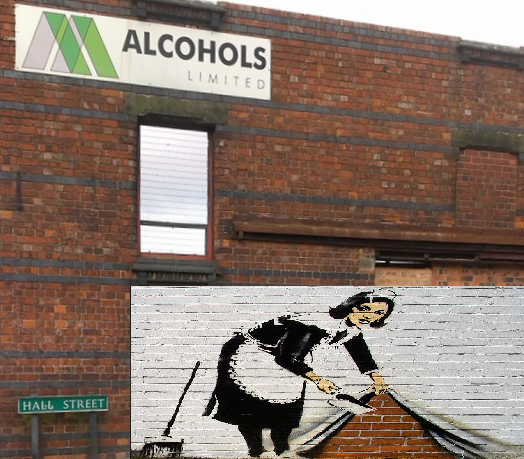
Last week, it was reported that Alcohols Limited of Oldbury had been fined £277,000 and ordered to pay £25,000 costs for a serious fire in 2012. It appears that the blaze was blamed on “the new boy” moving dangerous chemicals around, yet the training and health and safety of the company were obviously shit to start with.
The prosecution delay was apparently criticised by the judge, and we have also seen similar unacceptable delays with the other large fire in the area from 2009 involving Rhodia/Solvay which took 7 years. The scale of fine however is not acceptable. This had a lasting human impact as revealed in this blog. It is also revealed that the worker who was burned by the fire has been paid off by the company , but not how much.
Ethyl acetate is a highly flammable substance, associated amongst other things with putting insects to sleep in killing jars. One could argue that the area in question is one large experimental area, where a lid is not put on the dangers to either humans or the environment.
The costs to the fire service, and therefore you and I as tax payers for this “little” accidental spillage are not revealed, but a recent FOI request that I submitted to West Midlands Fire Service about a separate but related issue which I will look at in a future blog post gives an insight into the generic costs of fighting a fire.
According to a Sandwell Council post incident report , “at its peak there were more than a hundred Fire Service personnel and 24 vehicle assets deployed at the scene.”
A cost of £7,594.35 is also revealed for Traffic management and SMBC legal costs as well as over £3,000 for emergency accommodation in the Sandwell report.
The problem with fines to companies of this scale is that we do not ever learn how they pay the fines, a one off cheque and paid to whom, or paid in instalments? How is this then divided up back to those who are owed the cash? How much for example of their paltry fine paid the wages of those involved with the prosecution, and the judge himself? One thing is for sure, the victims of the fire and those affected got very little in terms of a satisfactory conclusion. It could all happen again tomorrow.
Posted inUncategorized|Comments Off on Another paltry fire fine
So the world has gone mad over some fairly ghastly Japanese animated characters. The chavs have got fit by following fictitious creatures and relentlessly pursuing them across parks and town centres.
But did you know there are several characters from What Lies Beneath Rattlechain Lagoon on the loose around this infamous Black Country morbid tourist attraction off John’s Lane Tividale?
Yes it’s all the favourites from the blog, in one place, in and around Rattlechain . This is one genuine Rat stop with plenty of goo. Collect them all and try to trick them out with a 1 Euro coin. They could be all yours. Best of luck, they are all hiding in there like P4 or an AW bomb.
Posted inUncategorized|Comments Off on Rattlemon Goo
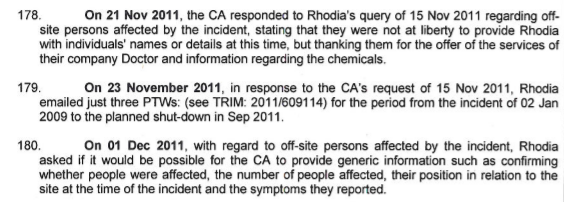
One of the more shocking revelations from the recently released but redacted HSE investigation report into the Rhodia/Solvay fire is the manner in which the defendants attempted to illicit personal information about those affected by their toxic gas leak, directly from The Health and Safety Executive!
The preceding paragraphs are redacted , however the HSE leave in the timeline of 21st November 2011 where they respond “to Rhodia’s query of 15th November 2011 regarding off site person’s affected by the incident.“
It is incredible that this company are so unaware of data protection legislation that they believe they should be given the names of those they affected. The final sentence can only make those in the know about how this company and the chemicals industry in general operate to try to close PR disasters like this laugh out loud and role their eyes.
As if “the services of the company doctor” will provide those affected with any form of reassurance about the ailments suffered. This appears to suggest that any other NHS doctor or medical staff that saw to the individuals were fucking useless. Of course there is absolutely no altruism here, it is a cynical attempt to obtain the medical records of those that they affected, and whom no doubt may have pursued the services of criminal injury lawyers, whose “company doctors” may have taken a very different view of what occurred, and what the long term affects may be.
It is also worth bearing in mind the utter charlatans that have masqueraded as “health and medical advisers” at the Trinity Street site over the years. Their “expertise” allowed people to suffer asbestosis in later life as well as conning workers into believing that bad teeth caused phossy jaw instead of the wretched chemicals that they were handling.
And as for the chemicals that they came into contact with, well I’m fairly sure I know where that “advise” would have led. “Small amounts” no doubt. We are certainly aware of the lies and misinformation that they were putting out about what went into rattlechain lagoon.
When they are directly refused the information, Rhodia persist in badgering the HSE for information that would assist their mitigation and probable denials that anyone had been affected, by wanting to ascertain “generic information”. From this had it been provided, they would no doubt have produced impact zones based on their previous underestimations of the chemicals released and their affects off site.
The symptoms of course would have been used against those claiming to have been affected. How would people, unfamiliar with such chemicals know or be able to explain how they had been affected by them if they are unfamiliar with those chemicals? It is very unlikely that the HSE would have given them any advice to assist them.
The final paragraph again shows the denials and rebuttals of a company who operate on PR spin. They deny asking the HSE for personal data of the witnesses, but the HSE have clear evidence that they did ask for this. It is unfortunate and deliberate that the HSE have redacted this sentence, and there is no good reason for this, except perhaps protecting the blushes of the individual from Rhodia who made the request, though I could certainly guess.
Posted inUncategorized|Comments Off on Attempted witness gobbling?
By continuing to use the site, you agree to the use of cookies. more information
The cookie settings on this website are set to "allow cookies" to give you the best browsing experience possible. If you continue to use this website without changing your cookie settings or you click "Accept" below then you are consenting to this.